


You really don't need to be told again, since you can't open your morning news feed without someone telling you, but the AI vulnpocalypse is upon us. Just look at the trend in CVEs being issued over time. In Q3 2026, there were more than triple the CVEs than in the same quarter of 2025.
Researchers and attackers alike are using AI to find new vulnerabilities and reproduce existing ones. Time to exploit for vulnerabilities that get exploited in the wild is shorter than ever. This effect is largely due to the use of AI models to reproduce known weaknesses once a patch is available. Weaponizing n-day vulnerabilities (a vulnerability that is known, has a CVE, and has a patch) is now possible with minimal effort, on a short timeline, and by far less experienced attackers than was possible a few years ago.
Responsible disclosure is supposed to be how the industry keeps pace with this. Right now, it isn't. Our recent experience reporting a critical bug in Sophos UTM (full write-up here) exposed problems at both ends of the process: getting a vendor to listen, and how long we all wait before going public once a patch is out.
Getting heard: vendor reporting procedures and bug bounty failures
In August, we found a vulnerability in Sophos UTM that lets an unauthenticated attacker get root on the device just by sending it emails. That's the kind of bug a vendor should want to hear about the same day.
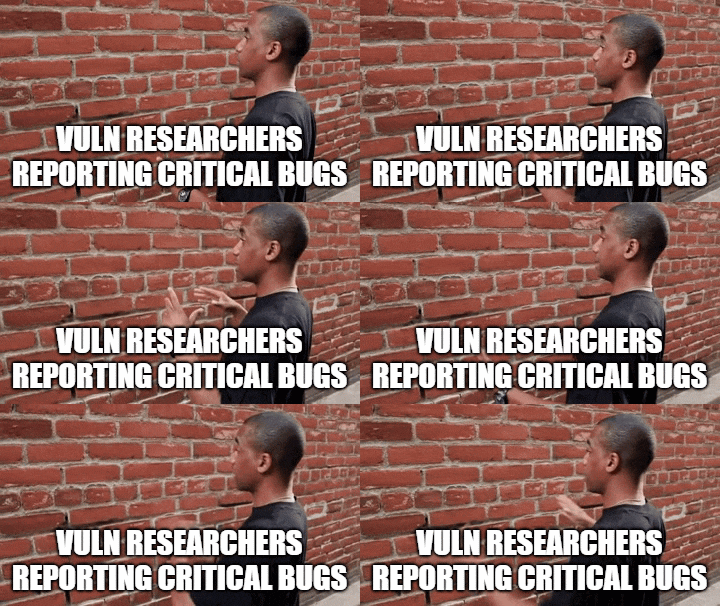
We followed Sophos’s documented process for reporting and waited. It took 45 days and three emails before anyone at Sophos replied. As their disclosure policy directs, our first email only said we had something to report, so they could send a PGP key and request the details. Nothing came back.
While we waited, we tried their bug bounty program on Bugcrowd. The product was out of scope for rewards, but we weren't after a reward, so we filed it under 'Other products' with full details and a working exploit. Three weeks later, the triage team closed it as N/A without passing it to Sophos, saying it lacked a demonstrated impact and a reproducible PoC. Both were in our submission, including evidence, a clear explanation of the attack, and a script that can be run to reproduce the weakness against a vulnerable host.
Most people would have given up.
We kept going because we had a root shell in hand and knew what was at stake. A researcher who emails a vendor, hears nothing for weeks, then has their bounty report bounced, has every reason to move on. Some will go public without a patch, many will simply drop it. Either way, the vendor never hears about the bug, and the defenders running the product never get a fix.
When we did reach the right team at Sophos, the explanation was telling: they're inundated with reports, much of it AI slop, and ours got lost in the noise. We know Sophos isn’t alone, because the security research community regularly complains about this sort of thing. The same AI tools driving the surge in CVEs are also producing a flood of low-quality submissions, and triage teams are drowning in them.
This new normal is particularly bad for defenders, because the lag that researchers are experiencing in getting their reports triaged means that attackers may well be exploiting that same bug during that disclosure window – and every day counts.
When a vulnerability is rejected by a bug bounty vendor as N/A, the researcher loses the ability to reach the vendor - this is a service they provide to filter out spam submissions to help with security team overload. BugCrowd failed Sophos in this case, and we wouldn’t be the first to make the claim that bug bounty is ‘dead’... for critical bugs like this one, 45 days is a very long time to wait before a vendor starts work on a patch.
Based on this experience, it’s pretty clear that triage teams and reporting processes are failing under pressure. And services that claim to help the problem aren’t immune - and in some cases are making it worse by filtering out real issues.
What would help
The volume isn't going away, so responsible disclosure processes need to evolve to cope with it. Responsible disclosure goes both ways, and a large part of it sits with the vendor or bug bounty company:
- Vendors should acknowledge every first contact within days, even with an automated reply, and shouldn't make receiving a report depend on a back-and-forth to swap keys.
- Vendors and platforms should fast-track reports that claim critical impact and include a working exploit, so they reach a human who can check them quickly.
- Bug bounty platforms shouldn't let N/A be a dead end. "Out of scope for rewards" is not the same as "not a real vulnerability", and those reports should still reach the vendor.
- If the bug bounty platform cannot cope with the volume, that’s a problem with their business model. They should employ more skilled triagers to compensate.
- Researchers, ourselves included, can make reports harder to miss: lead with impact, attach evidence up front, and use more than one channel at once.
Public disclosure timelines don’t provide the protection they used to
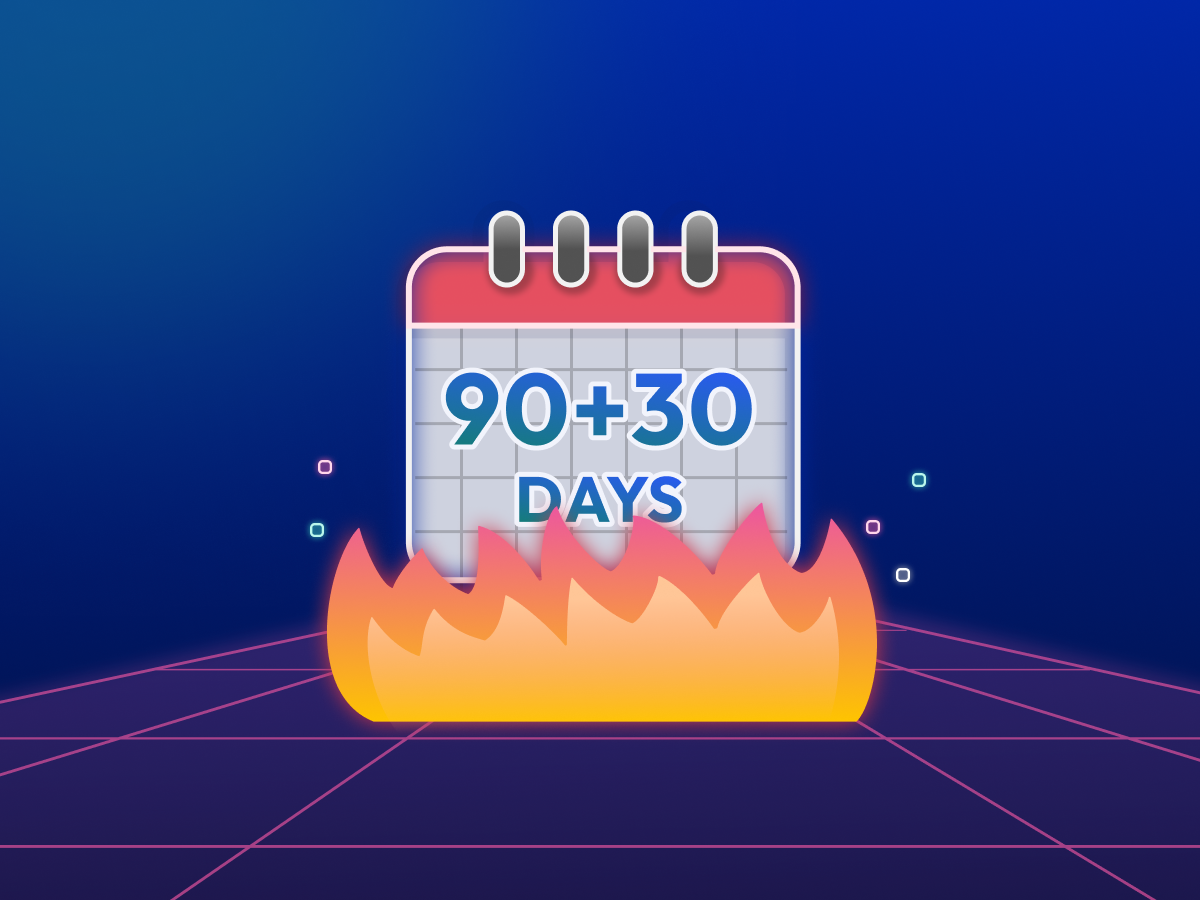
Standard responsible disclosure timelines (e.g. Project Zero’s classic 90+30, which most of the industry follows) are out of date. Giving 30 days before full disclosure and writeup of a vulnerability is a very long time, when an attacker can take the NVD description and the patch file and produce an exploit with AI in under an hour (yes really).
The +30 exists for a good reason. It has historically given defenders a head start: time to patch before the technical detail makes life easier for attackers. But that only works if turning a patch into a working exploit takes significant time. It used to, but it doesn't anymore.
We tested it
We put this to the test on the Sophos bug. Given a minimal prompt and harness, plus the public advisory and the patch file, an LLM produced a full working exploit in under an hour. No insider knowledge, no reverse-engineering expertise required. Anyone who wanted to weaponize this bug could have done it on the day the patch came out.
That changes what the +30 window actually does. It no longer keeps the exploit from attackers; they can build their own in an afternoon. What it does keep back is the detail defenders need: how bad the bug is, how it works, how to tell if they're exposed, and what to look for in their logs. A disclosure window meant to protect defenders now mostly protects nobody.
We’re changing our policy (and encourage others to follow)
The two halves of this problem compound each other. In this case, 45 days of a 90-day vendor window went on getting a first reply. Slow triage burns the time vendors have to fix a bug; long post-patch windows then delay the information defenders need once the fix exists. Attackers lose time to neither.
We have historically adhered to Project Zero’s 90+30 timeline but our experience with the Sophos bug has caused us to change our approach. For the Sophos bug, we published approximately two weeks after the patch was available, and we're likely going to compress that even further to a seven-days or less. At this point, the attackers looking to weaponize it have likely already done so.
Time to catch up
Responsible disclosure rests on two assumptions: that vendors will hear about serious bugs, and that attackers need time to exploit them once they're patched. AI has changed the landscape significantly, and these are less true than before. Vendors and bug bounty triagers are buried under report volume, and attackers can turn a patch into an exploit in under an hour.
The way the industry manages responsible disclosure needs to catch up. Vendors and bug bounty platforms need triage that surfaces critical reports instead of losing them, and the industry needs post-patch windows measured in days, not months.
Read the full technical write-up of the Sophos UTM vulnerability, including the disclosure timeline, here.
Other research articles