
Close the door to attackers
Find and fix weaknesses in your external perimeter before attackers can act with continuous external vulnerability scanning and automated pentesting.
Join 3,000+ companies securing their attack surface with Intruder









See what attackers see
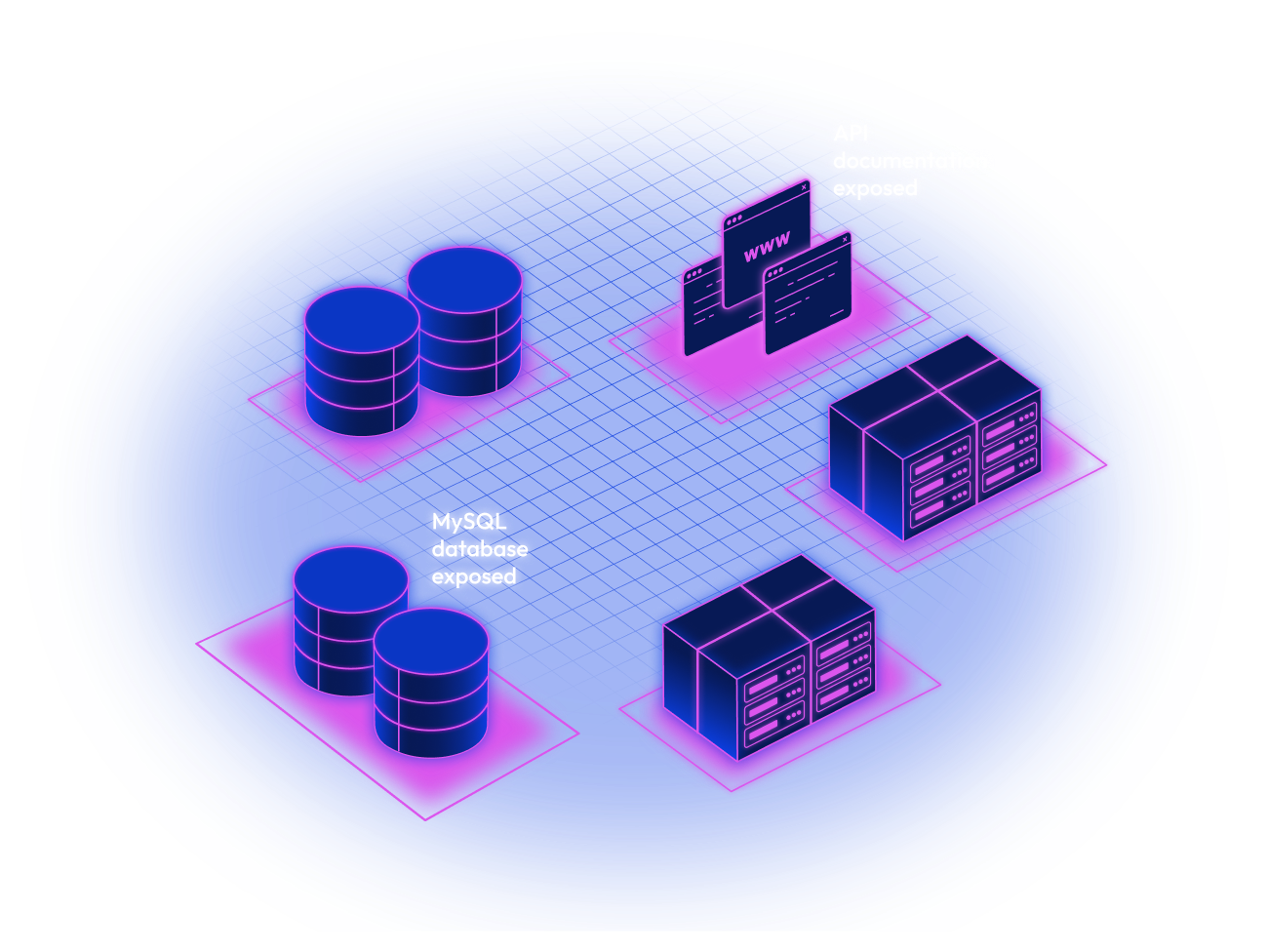
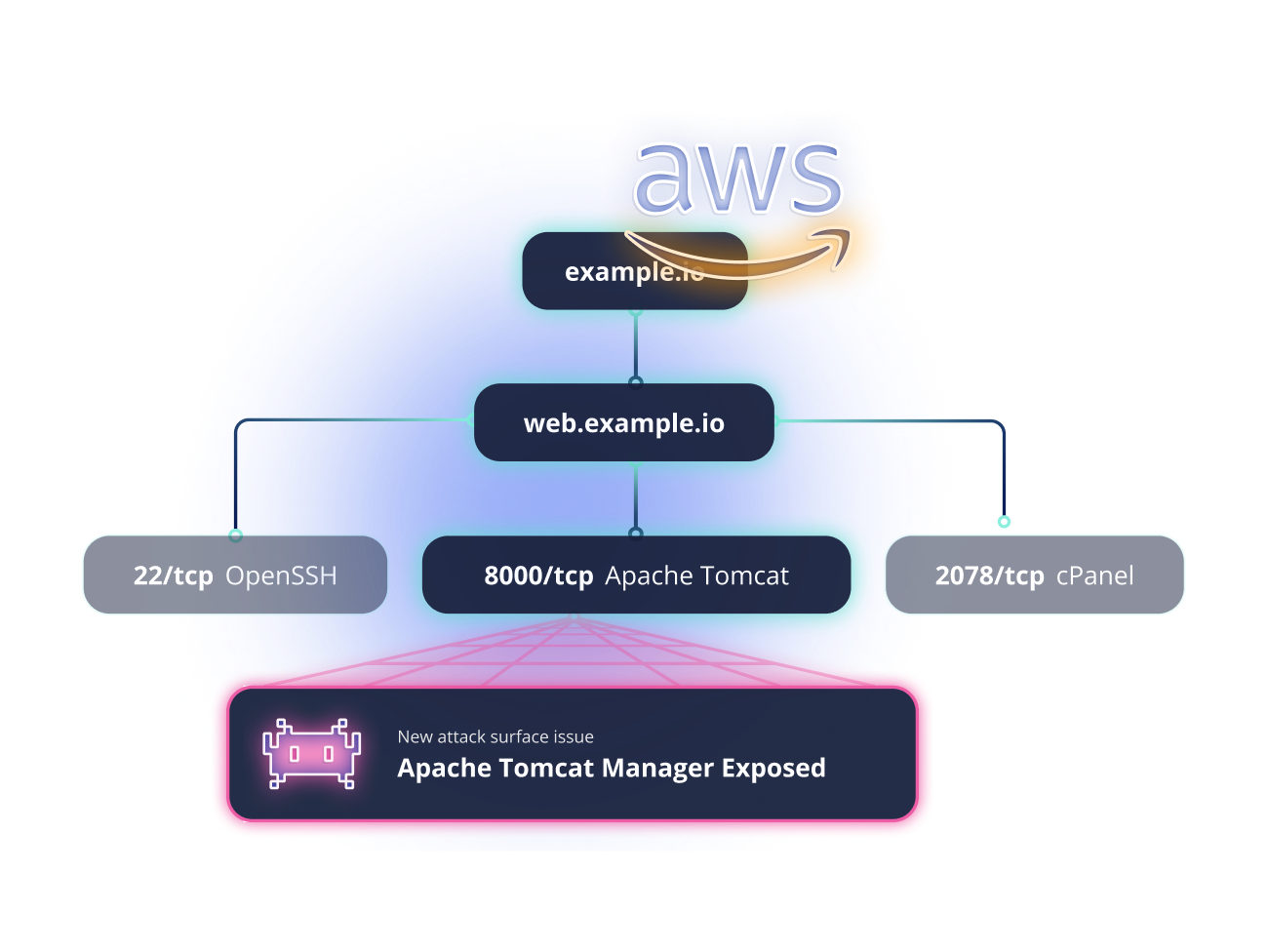
Run over 170,000 checks against your internet-facing assets. Open ports, weak SSL, unpatched software, exposed services: if it's visible from the outside, Intruder finds it.

Know if you’re exposed to emerging threats
When a new vulnerability drops, emerging threat scans check your systems automatically. No waiting for your next scheduled scan.

Separate real risks from noise
Prioritize issues based on exploit likelihood, severity, and real-world threat intelligence. Integrate with workflow tools to fix issues fast.

Secure your external perimeter
Connect to your environment

Connect your cloud accounts and add your domains and IPs. Intruder automatically discovers internet-facing assets and starts scanning right away. No agents, no complex setup.
Scan continuously
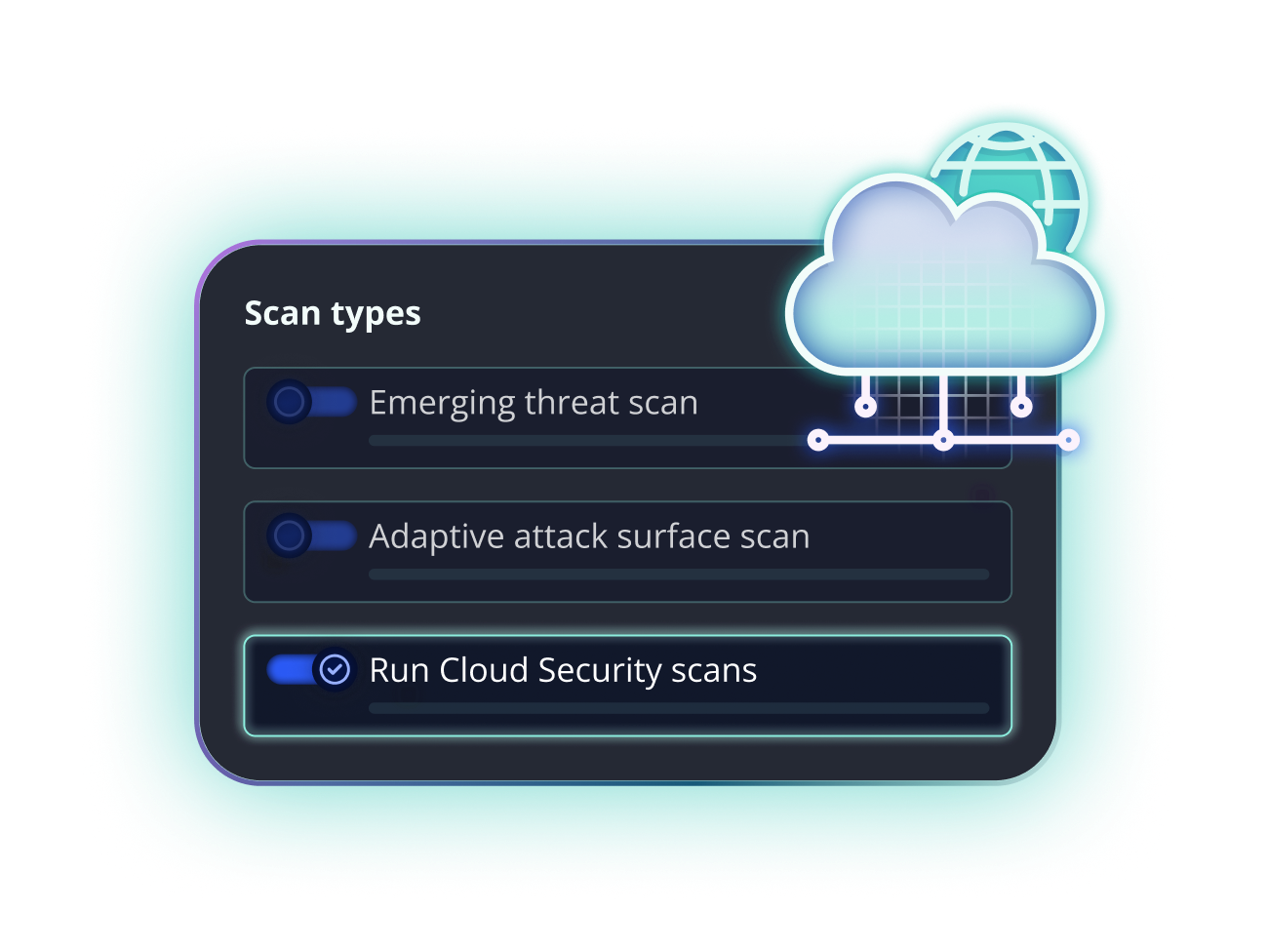
Scans run automatically on a schedule you control. When a new vulnerability is disclosed, Intruder runs an automated emerging threat scan to check your estate and alerts you with results, no manual trigger needed.
Prioritize and fix
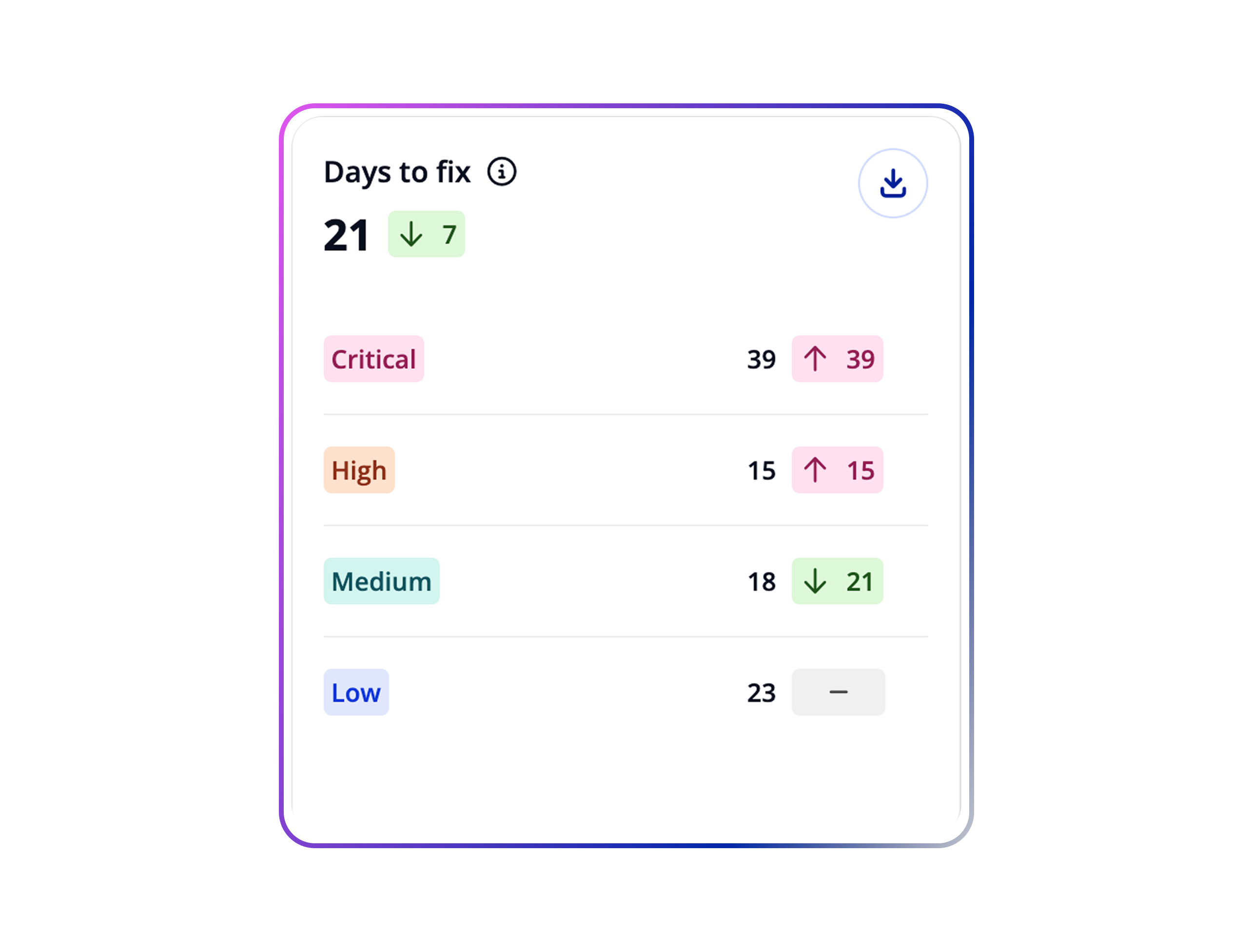
Results are prioritized by severity, exploitability and real-world threat intelligence, and every issue comes with step-by-step remediation guidance. Send them straight to Jira, GitHub, and more, so nothing gets lost in a spreadsheet.
Find what's exposed, fix what matters, and stay ahead of new threats

External Scanning
Infrastructure Security

Attack Surface Monitoring
Respond to changes

CSPM
Daily cloud config checks

Asset Discovery
Reveal unknown targets

DAST
Secure web apps

Risk Based Prioritization
No more alert fatigue

Cyber Hygiene Reporting
Demonstrate progress

Emerging Threat Detection
Check and act fast

Container Image Scanning
Automated image discovery

Secrets Detection
Prevent leaked credentials

Website Security
140k+ checks

API Security
Test your APIs

Compliance
SOC 2, ISO, HIPAA, DORA

Internal Scanning
Secure employee devices
Our customers love Intruder







One platform. Continuous security.
Intruder integrates with Jira, GitHub, GitLab, Azure DevOps, and ServiceNow for issue tracking, Slack and Microsoft Teams for alerts, Drata and Vanta for compliance, and Microsoft Sentinel for SIEM. See all our integrations.
External scanning assesses your internet-facing infrastructure for vulnerabilities an attacker could exploit without access to your network. Internal scanning checks endpoints behind your firewall, like employee laptops, servers, and internal services, for weaknesses only visible from inside. Most security teams run both. Learn more about internal vs external vulnerability scanning.
When a new vulnerability is disclosed, Intruder automatically scans your external systems and alerts you if you're affected, so you don't need to manually trigger scans every time something drops. Learn more about emerging threat scans.
At a minimum, weekly. Intruder runs scans on a schedule you set, triggers automatic checks when new threats emerge, and lets you scan on demand anytime. The combination means you're covered between scheduled scans without relying on a single point-in-time snapshot. Learn more.
Yes. Intruder's internal scanner is agent-based — install a lightweight agent on any Windows, Linux, or macOS device and it reports back to the same platform. Internal scanning is available on Pro and Enterprise plans. See the setup guide.
Yes. Intruder supports authenticated scans for web apps, APIs, and single page applications (SPAs).