
Find what's vulnerable inside your network, not just at the perimeter
Agent-based internal vulnerability scanning, with audit-ready reports for compliance.
Join 3,000+ companies securing their attack surface with Intruder









Keep your internal systems secure
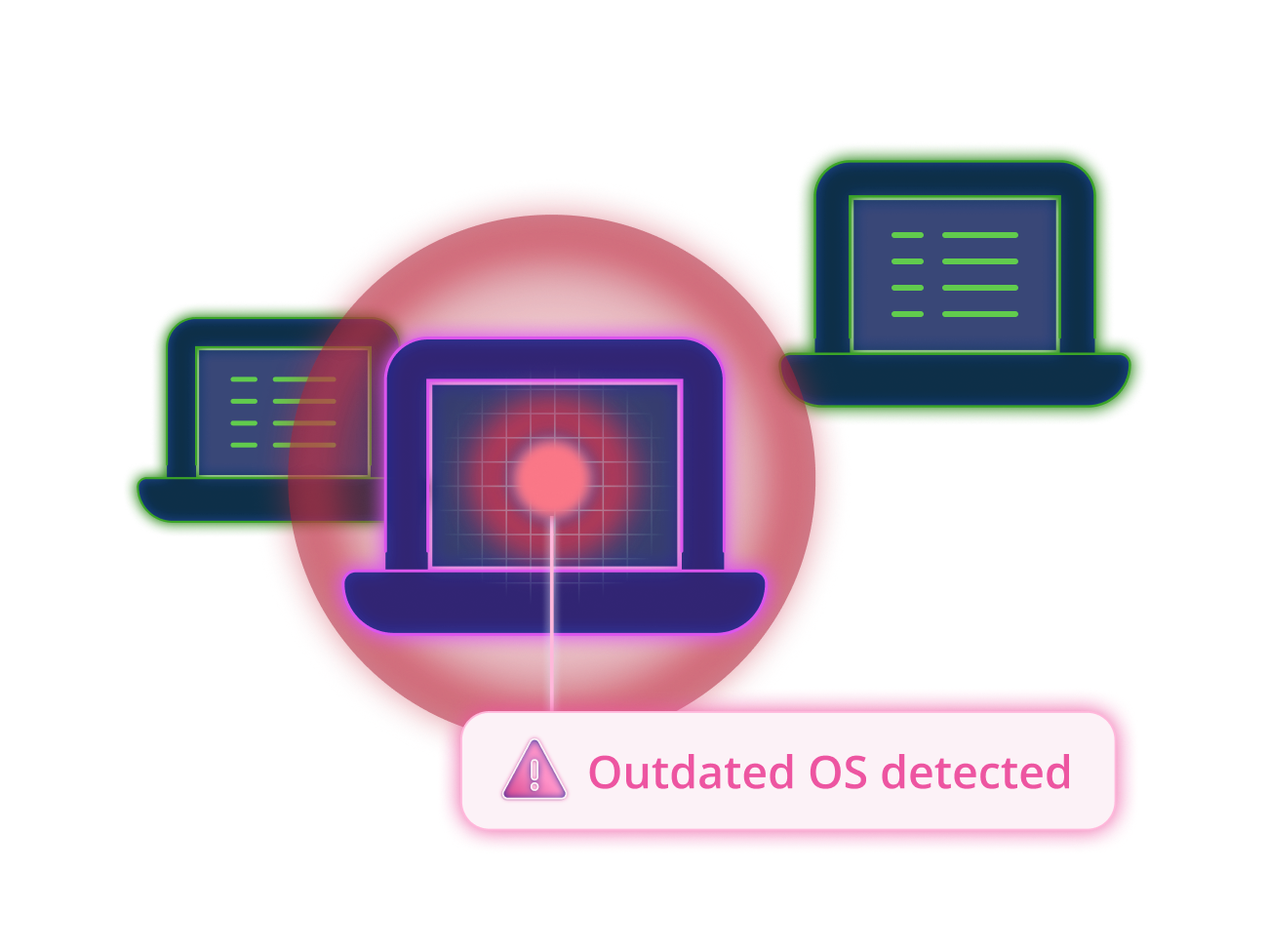
Find critical vulnerabilities within your internal endpoints, including local misconfigurations, encryption weaknesses, and vulnerable software packages.

Cover remote employees
Our agent-based scanner runs on endpoints wherever they are. If someone's laptop is sitting on a home network with an unpatched service, you'll know about it.

Meet compliance requirements with ease
Intruder takes the pain out of preparing for audits. Generate audit-ready reports and integrate with your compliance platform to share evidence automatically.

Complete visibility across internal endpoints
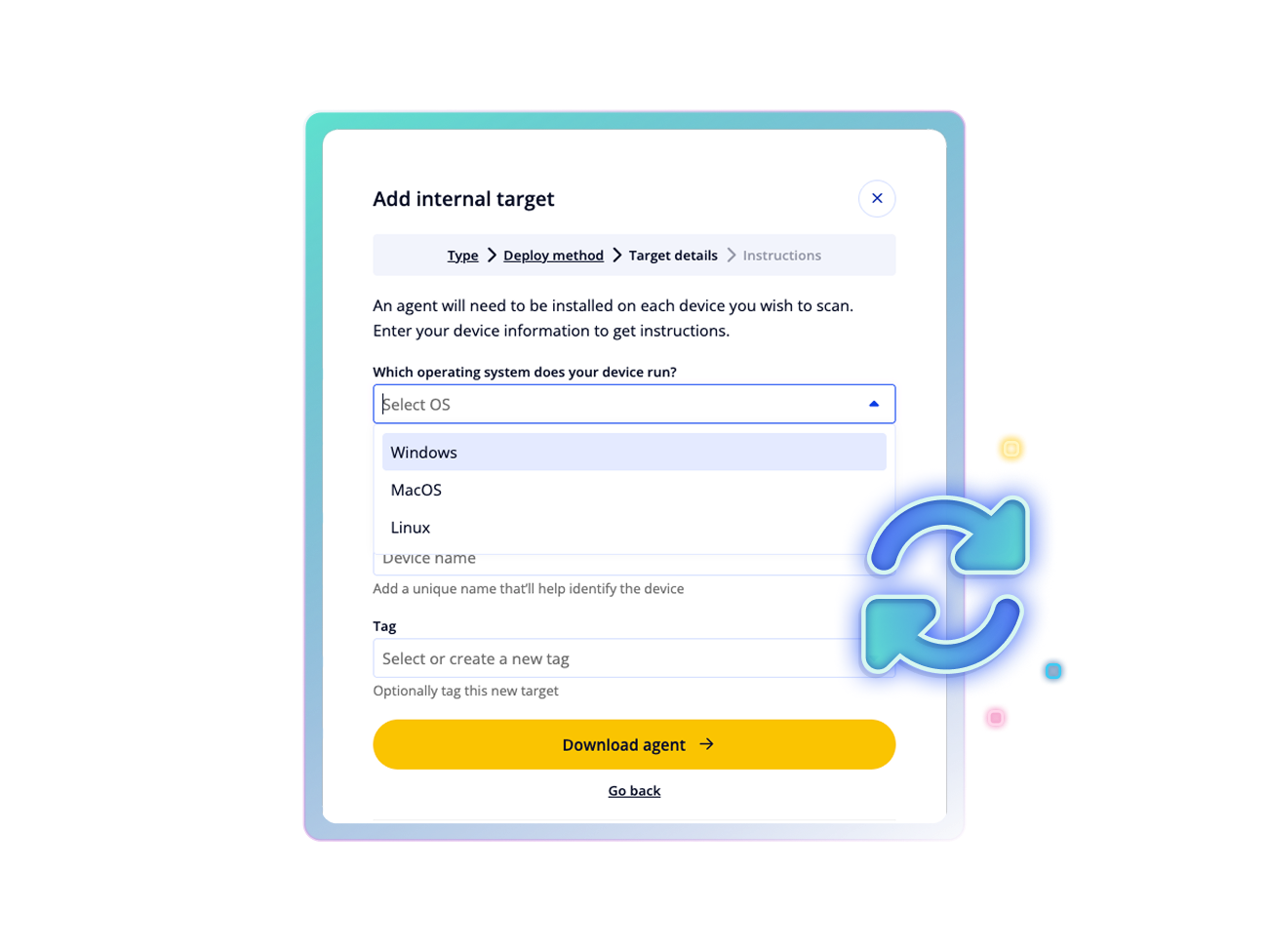
Install the agent

Deploy Intruder’s lightweight agent on your internal targets. It runs quietly in the background, and works across Windows, macOS, and Linux including remote and off-network machines.
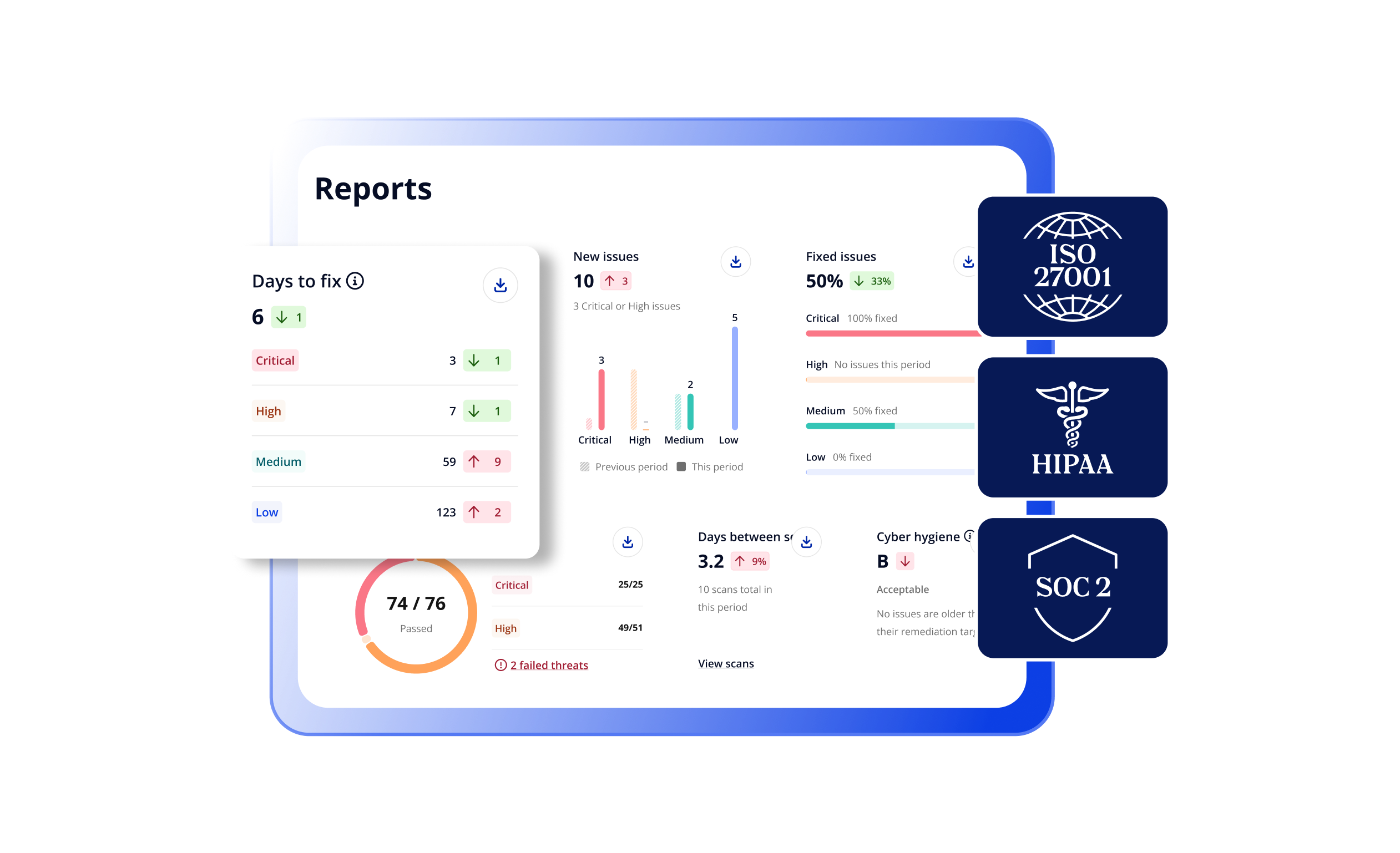
Audit-ready reports
Automated reports are generated after every scan and include a high-level summary plus the technical detail auditors need for SOC 2, ISO 27001, HIPAA, PCI DSS, and more.
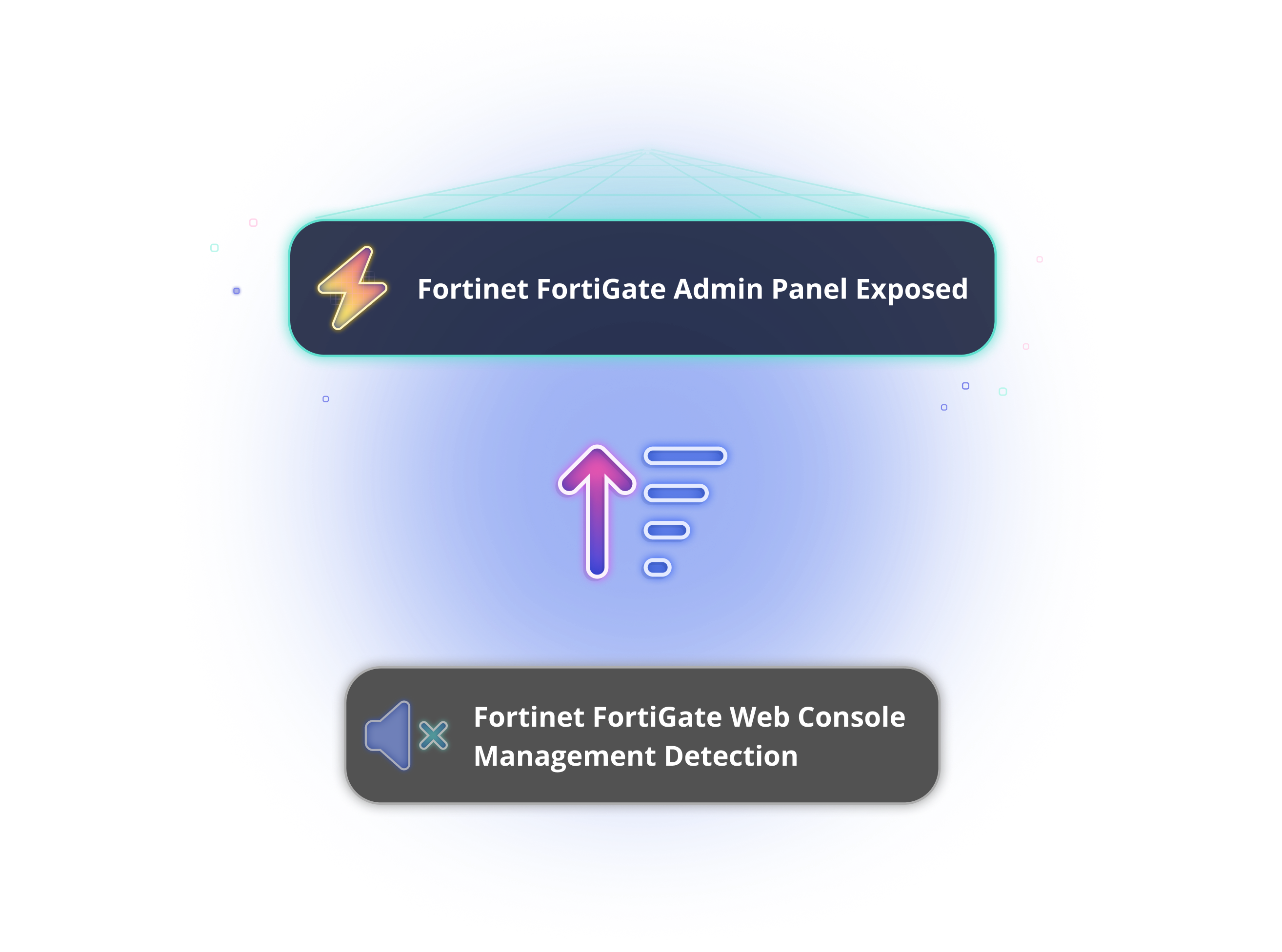
Prioritize and fix
Every finding is ranked by risk, not just severity. Intruder tells you what's actually exploitable in your environment and gives you step-by-step guidance on how to fix it.
Find what's exposed, fix what matters, and stay ahead of new threats

External Scanning
Infrastructure Security

Attack Surface Monitoring
Respond to changes

CSPM
Daily cloud config checks

Asset Discovery
Reveal unknown targets

DAST
Secure web apps

Risk Based Prioritization
No more alert fatigue

Cyber Hygiene Reporting
Demonstrate progress

Emerging Threat Detection
Check and act fast

Container Image Scanning
Automated image discovery

Secrets Detection
Prevent leaked credentials

Website Security
140k+ checks

API Security
Test your APIs

Compliance
SOC 2, ISO, HIPAA, DORA

Internal Scanning
Secure employee devices
Our customers love Intruder







One platform. Continuous security.
Unpatched internal systems make it easy for an attacker to move laterally once they have an initial foothold, whether from a phishing email, a compromised credential, or an exploited external service. Internal scanning finds those weaknesses before they're chained together. It's also a requirement for most compliance frameworks and customer security questionnaires.
External scanning assesses your internet-facing infrastructure for vulnerabilities an attacker could exploit without access to your network. Internal scanning checks endpoints behind your firewall, like employee laptops, servers, and internal services, for weaknesses only visible from inside. Most security teams run both. Learn more about internal vs external vulnerability scanning.
Any device running Windows, Linux, or macOS. Intruder's internal scanner is agent-based, so you install a lightweight agent on each device you want to scan. See the setup guide.
No. Intruder's internal scanner is agent-based, meaning it runs directly on each device rather than scanning across the network. This catches vulnerabilities a network scan would miss, like missing OS patches and local misconfigurations, but it doesn't cover network devices. Read more about agent-based vs. network-based scanning.
Internal scanning is available on Pro and Enterprise plans. Each device you scan uses one infrastructure license, priced the same as external targets. See pricing.