
Eliminate alert fatigue and focus on real risks
The volume of vulnerabilities is growing, but not every one matters. Intruder makes it easy to know which ones to action and which ones to snooze.
Join 3,000+ companies securing their attack surface with Intruder









Reduce noise
Security teams are stretched and an inbox full of alerts doesn’t help. When Intruder tells you something needs attention, you can trust that it does.

Prioritize what’s being exploited
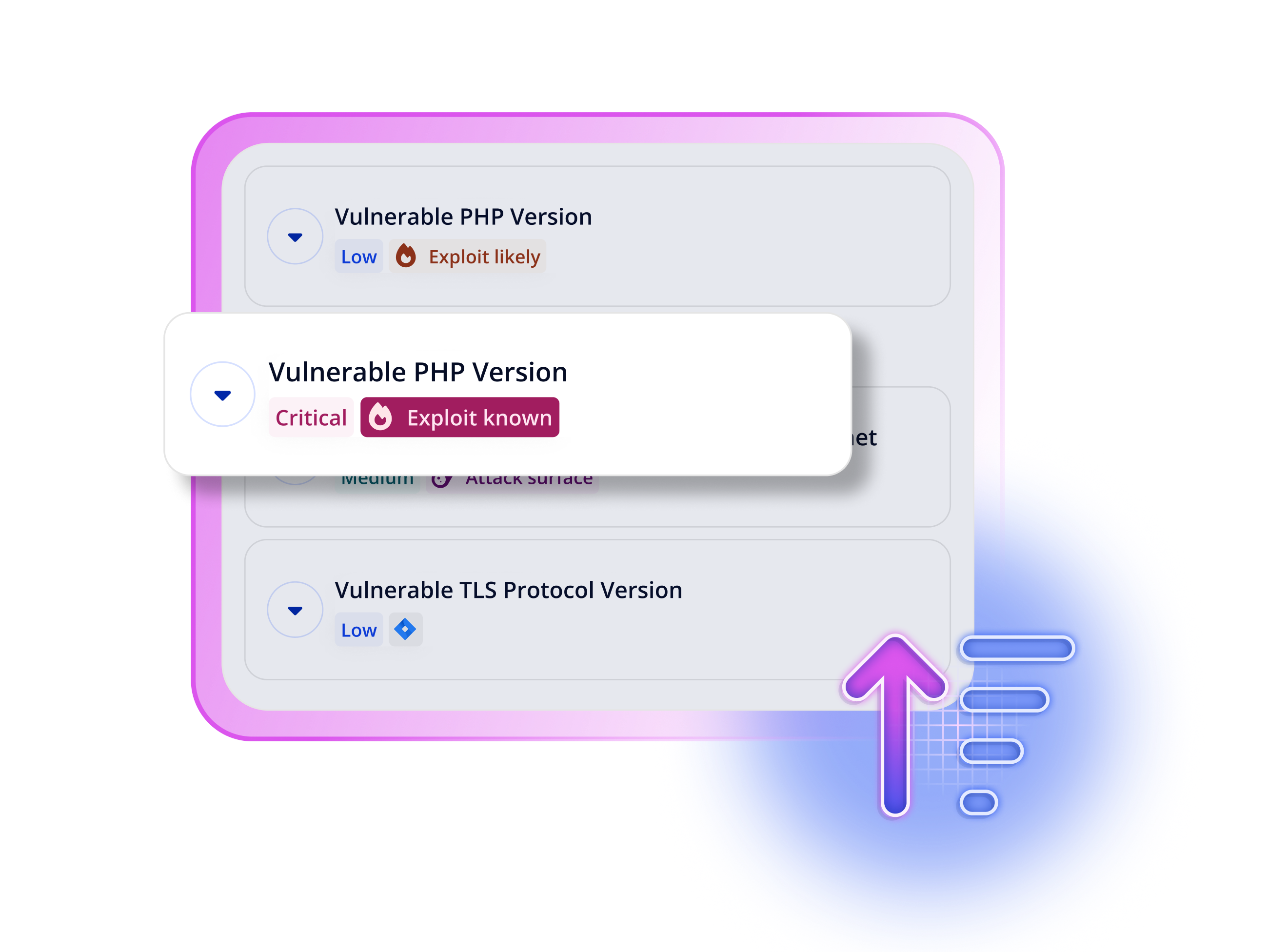
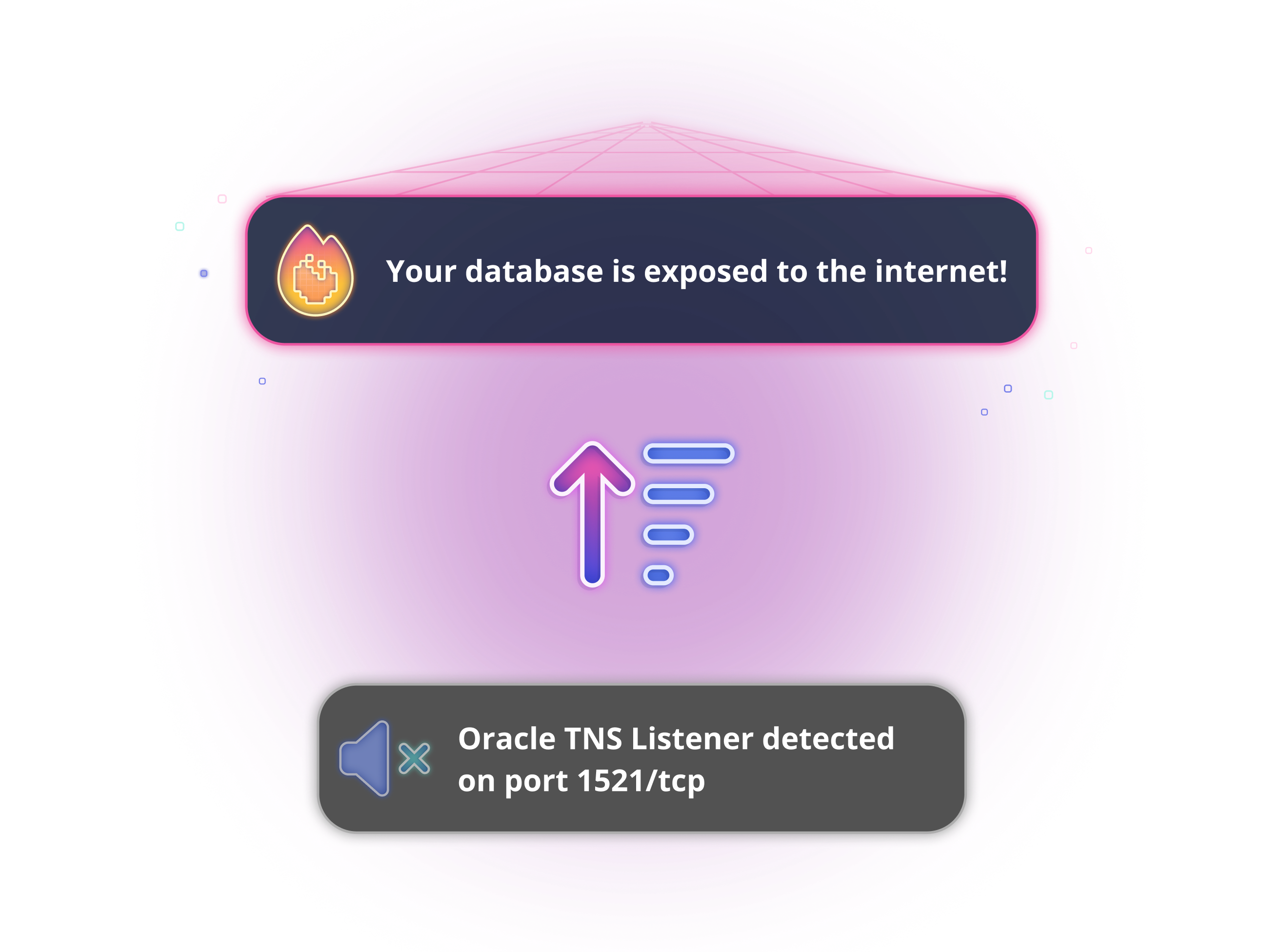
Intruder combines risk and exploitability signals so you can patch the vulnerabilities attackers are actually going after in your environment

Fix critical risks faster
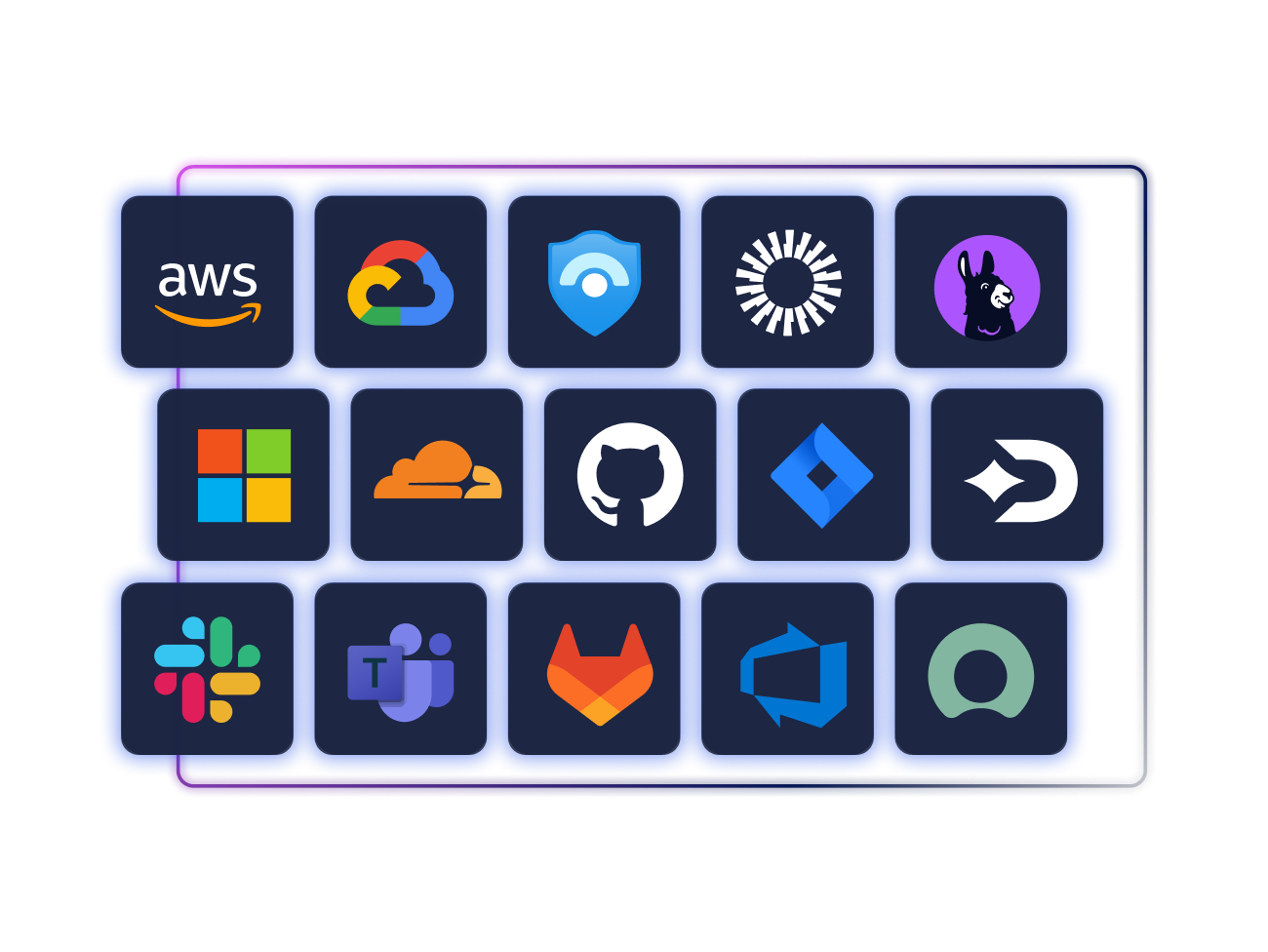
Get issues that need human oversight to the right people fast with automated triage and 15+ workflow integrations.

Fix what matters most first
Connect and scan

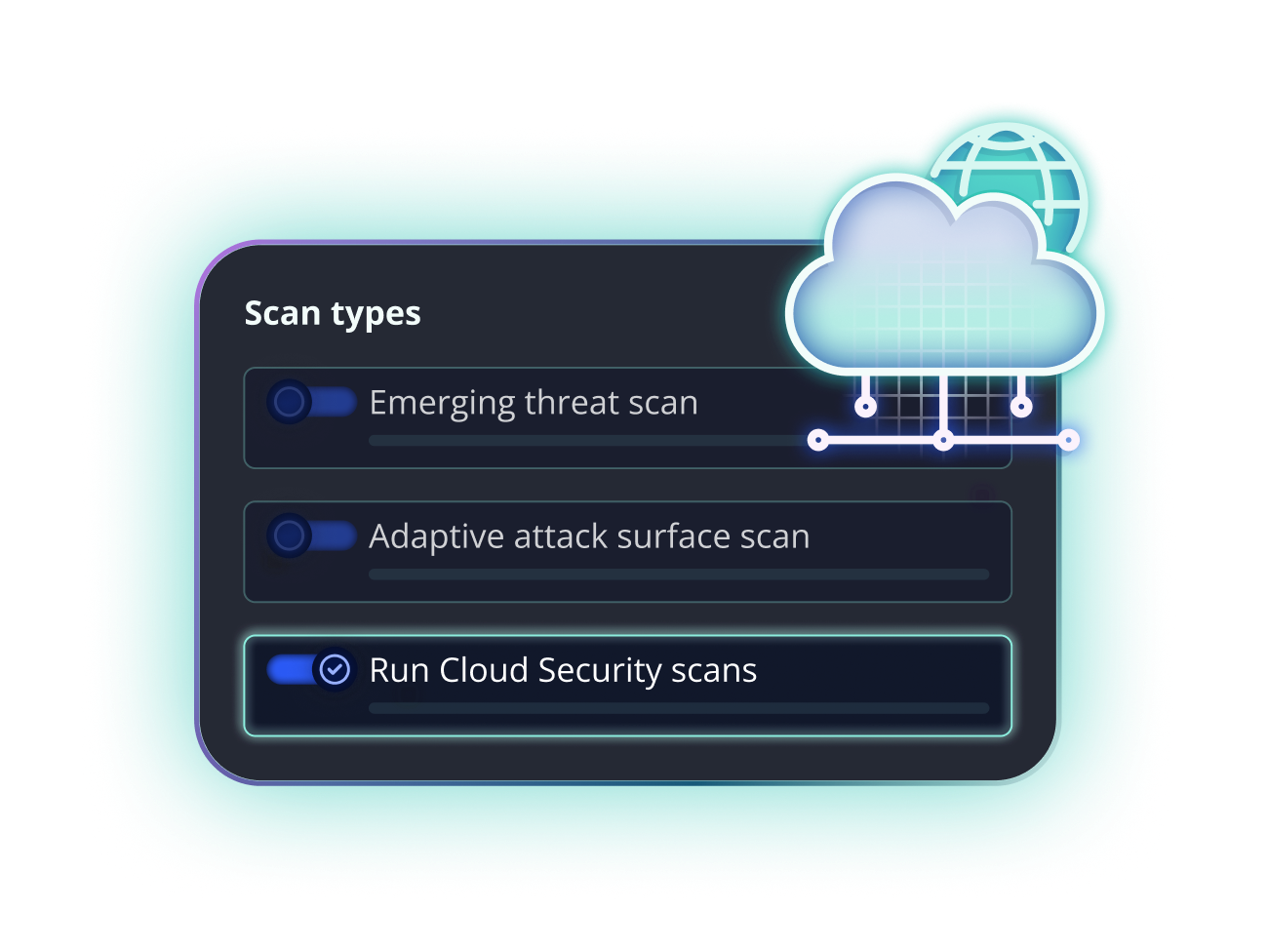
Connect your cloud accounts or enter your targets to start scanning, no agents required. Regular scans run across your web apps and external attack surface. Emerging threat scans kick off automatically when new high-impact vulnerabilities are disclosed or a change is detected in your environment.
Triage and prioritize
Every vulnerability and attack surface issue lands in a single view with CVSS score, EPSS exploit likelihood, and KEV status alongside it. Filter by exploit likelihood or specify an EPSS threshold to cut straight to the vulnerabilities most likely to be exploited. AI pentesting agents investigate issues to confirm exploitability and give teams time back.
Route issues to the right team
Get alerts in Slack or Teams when things need fixing. Automatically send issues to Jira, GitHub, or ServiceNow along with all the context and remediation instructions for your engineers. No copy-pasting, no spreadsheet triage.
Find what's exposed, fix what matters, and stay ahead of new threats

External Scanning
Infrastructure Security

Attack Surface Monitoring
Respond to changes

CSPM
Daily cloud config checks

Asset Discovery
Reveal unknown targets

DAST
Secure web apps

Risk Based Prioritization
No more alert fatigue

Cyber Hygiene Reporting
Demonstrate progress

Emerging Threat Detection
Check and act fast

Container Image Scanning
Automated image discovery

Secrets Detection
Prevent leaked credentials

Website Security
140k+ checks

API Security
Test your APIs

Compliance
SOC 2, ISO, HIPAA, DORA

Internal Scanning
Secure employee devices
Our customers love Intruder







One platform. Continuous security.
Risk-based vulnerability management (RBVM) is the practice of prioritizing which vulnerabilities to fix based on real-world risk, not just severity scores. The goal is to fix the vulnerabilities most likely to be exploited, rather than the ones that look bad on paper but have never been weaponized.
CVSS scores rate how severe a vulnerability is based on factors like attack complexity and impact. EPSS predicts the probability it'll be exploited in the next 30 days. A vulnerability with a CVSS of 9.8 but an EPSS of 0.1% is probably not your most urgent fix — EPSS tells you why. Intruder displays both scores alongside every finding, plus KEV (Known Exploited Vulnerabilities) status for issues already being exploited in the wild. Read more about EPSS vs. CVSS.
Enterprise tools like Tenable and Qualys are built for large teams with dedicated analysts to work through findings. Intruder is built for midsize teams that don't have that resource. It filters the noise and prioritizes before results reach you, rather than handing you a list of hundreds of issues to sort yourself. Pricing is transparent and doesn't require a sales call to find out. See how we compare to Qualys.
Intruder integrates with Jira, GitHub, GitLab, Azure DevOps, and ServiceNow for issue tracking, Slack and Microsoft Teams for alerts, Drata and Vanta for compliance, and Microsoft Sentinel for SIEM. See all our integrations.